
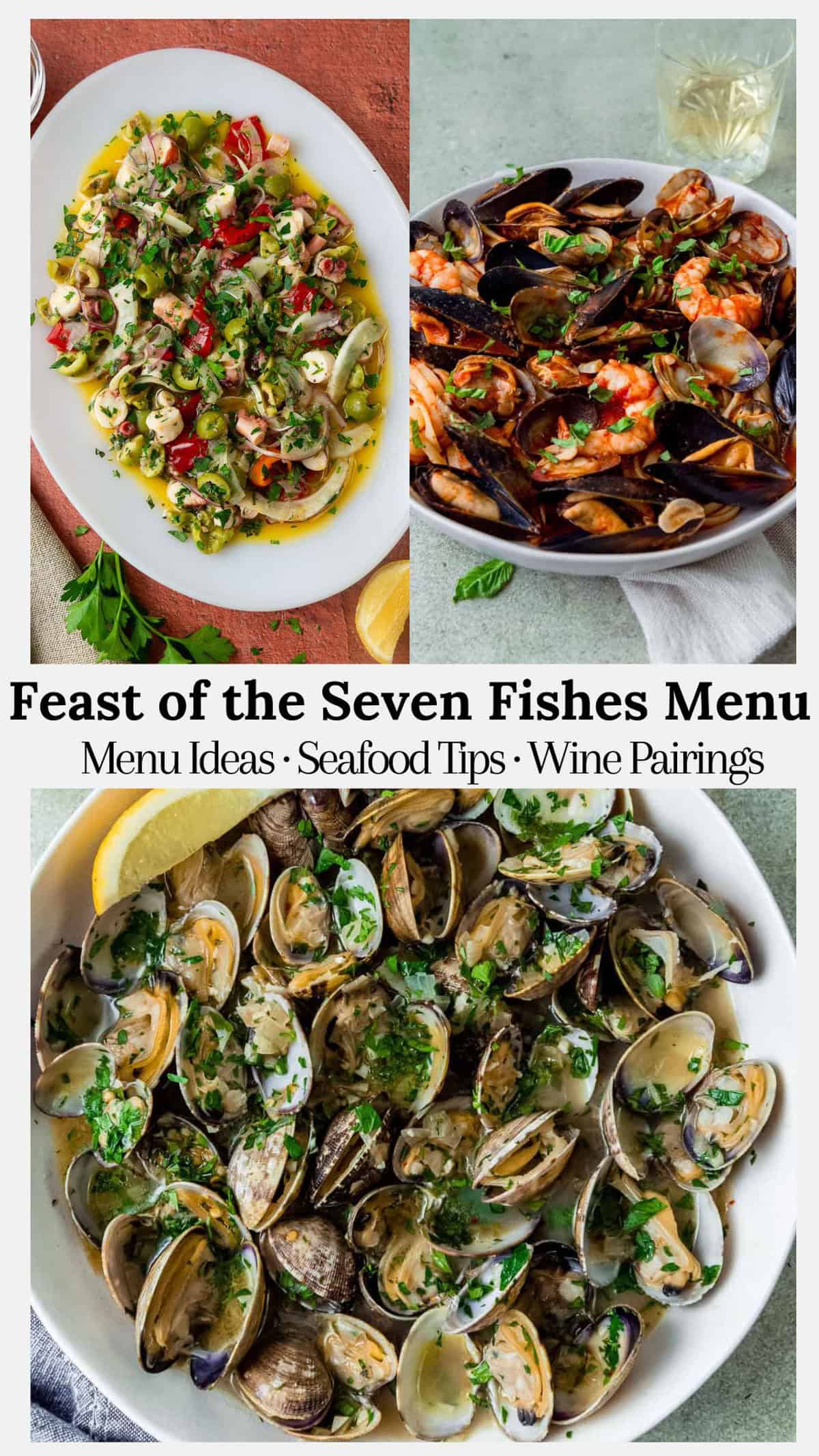
The Feast of the Seven Fishes is all about celebrating abundant seafood with vibrant, fresh flavors! This guide walks you through building a beautiful, seafood menu with recipe ideas, seafood buying tips and wine pairings.
Mix and match dishes to create a festive spread that’s full of flavor, color, and most importantly, fresh seafood!
Jump to:
What is the Feast of the Seven Fishes?
The Feast of the Seven Fishes is a festive Italian-American Christmas Eve tradition centered around abundant seafood. While it’s rooted in tradition, there’s no single way to celebrate it, which leaves plenty of room for creativity based on what’s fresh and of course, what you and your guests love most.
Some families serve seven separate seafood dishes, while others serve fewer dishes with a variety of fish and shellfish. Over time, the tradition has evolved, and today it’s all about gathering around the table and enjoying beautiful, flavorful seafood together.
How to Build a Feast of the Seven Fishes Menu
Instead of thinking in courses, think of dishes that complement each other and have variety in flavors, textures and color. Here are a few guidelines to keep in mind:
- Have Fun with the Menu: You don't need exactly seven courses or seven different seafood options. Many modern menus include fewer dishes and some with several types of seafood in them.
- Plan in Courses: I recommend a mix of appetizers, 1 pasta dish, 1 main seafood dish and a side or two that complement the seafood.
- Mix Hot and Cold Dishes: This gives variety of flavors and textures and also easier to prep ahead instead of making everything hot all at once.
Appetizers and Small Plates
Start the dinner with several options for people to snack on and graze. (Choose 2-3)

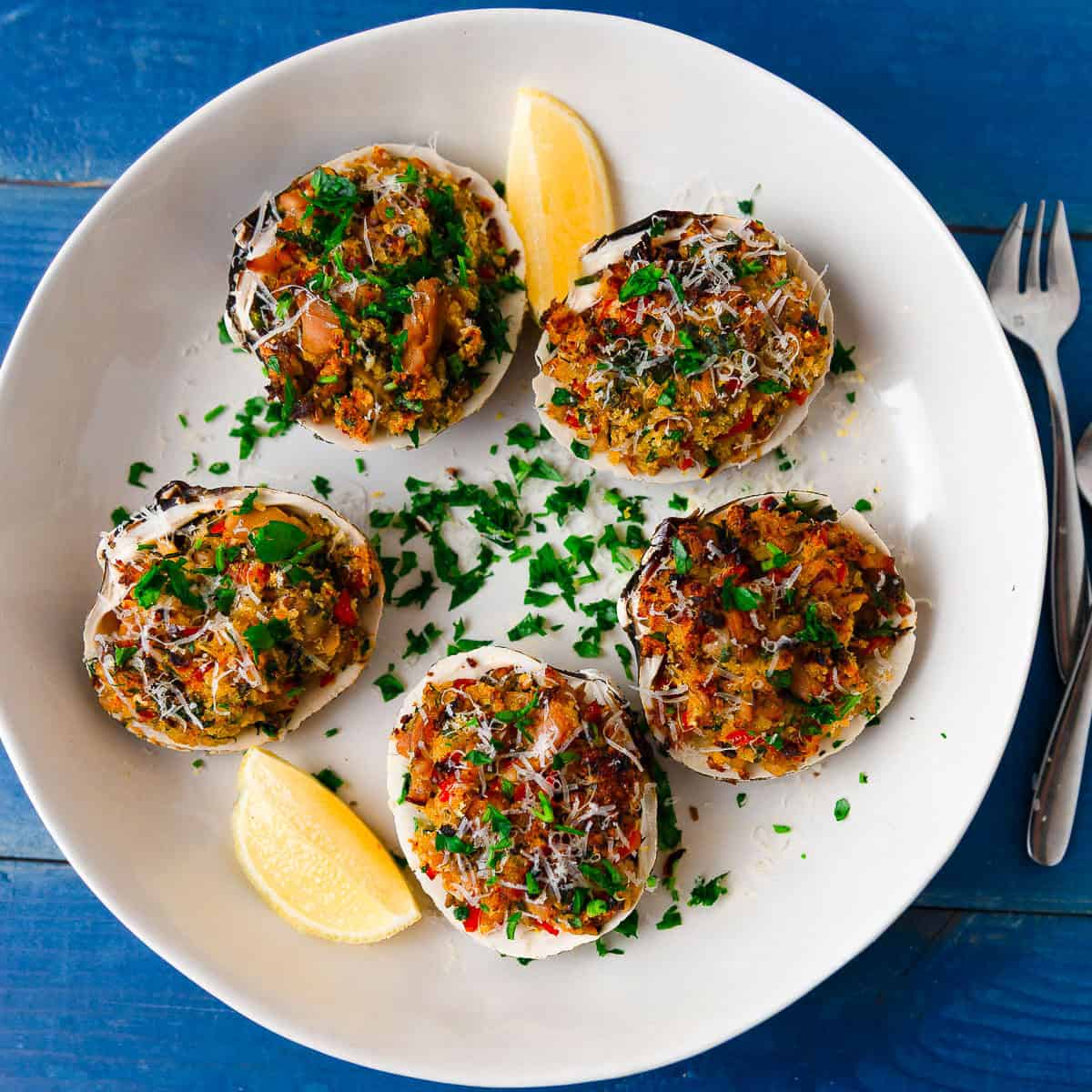
More Ideas:
- Mussels Marinara: Fresh mussels are gently simmered in a simple and flavorful marinara sauce with garlic, white wine and basil.
- Shrimp Oreganata: Tender shrimp are stuffed with crispy breadcrumbs, lemon and Parmesan cheese and baked in a lemony white wine sauce.
- Poké Nachos: Ahi tuna is generously topped onto baked wonton chips and garnished with all the fun toppings!
- Spanish Garlic Shrimp: Inspired by the popular tapa, Gambas al Ajillo has sweet shrimp sautéed with fruity olive oil, smoky paprika and lots of garlic!
- Chilled Seafood Platter: Fill the seafood platter with loads of fresh seafood, including steamed mussels and clams, shucked oysters, King crab legs and more!
Seafood Pasta Dishes
What's an Italian feast without a fresh pasta course? But my one rule, always have crusty bread to sop up the delicious sauce! (Choose 1-2)


Show-Stopping Main Course
This is your centerpiece! Choose 1 stand-out seafood main course and let that shine!


More Options:
- Salmon Wellington: Fillet of salmon is layered with Dijon mustard and creamed spinach that is nestled into buttery puff pastry.
- Julia Child's Sole Meuniere: A true classic, lightly breaded fillets of sole, served with a lemony caper butter sauce.
- Halibut Piccata: The tangy lemon and caper sauce perfectly balances the mild flavor of the halibut and coats the fish beautifully.
Side Dishes to Complement the Seafood
These side options complement the seafood beautifully! From fresh salads to breads to soak up all the delicious sauces.


A Mediterranean-Inspired Menu
For some inspiration, this simple menu is full of bright flavors, fresh herbs, and an abundance of seafood.
- Appetizer: Mediterranean Octopus Salad with Olives and Mussels Marinara
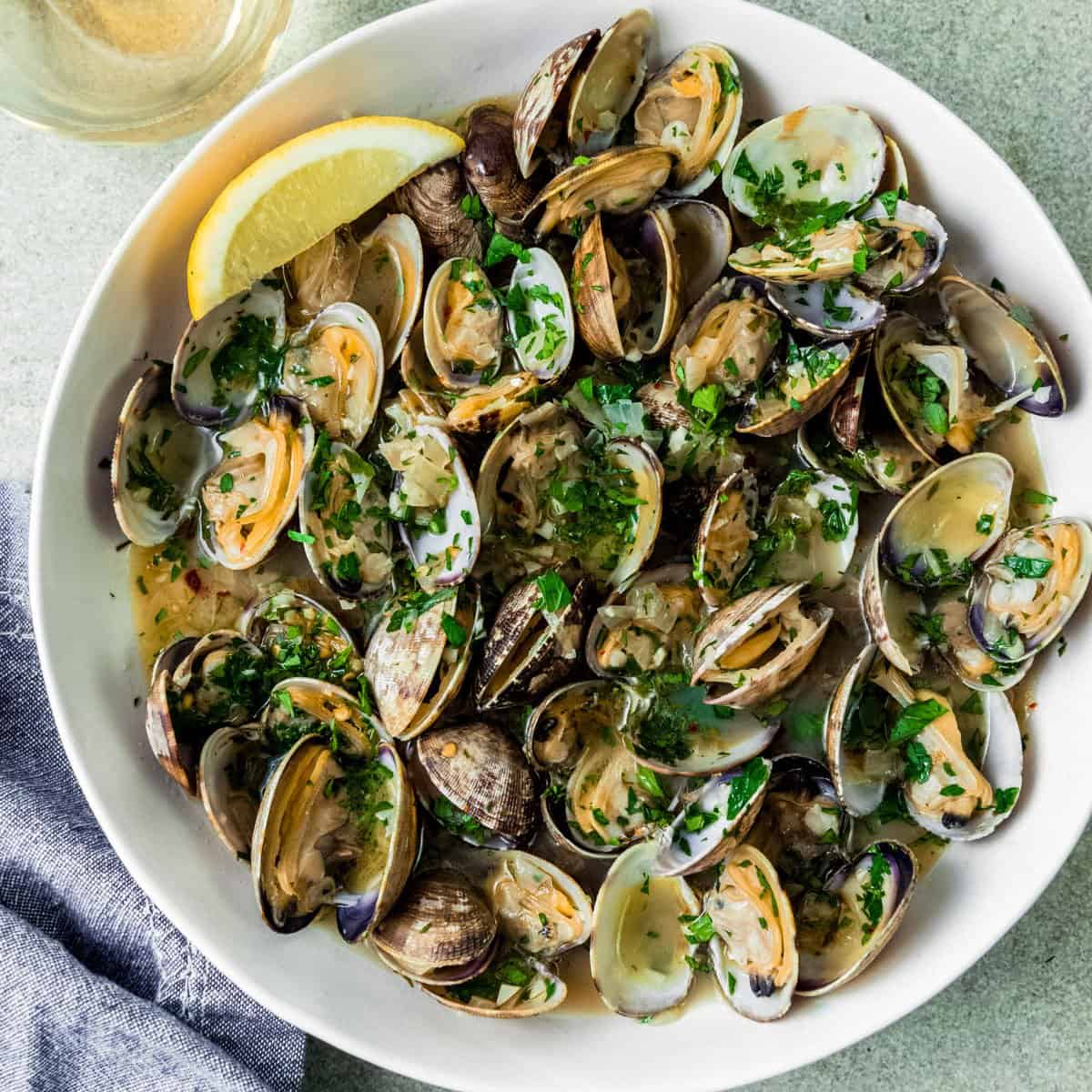
- Pasta Course: Linguine and Clams
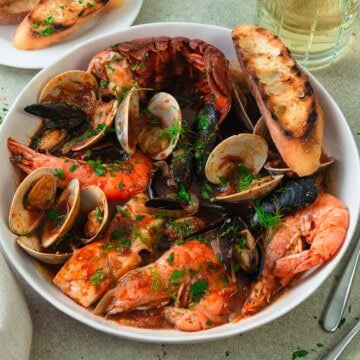
- Main Course: Bouillabaisse (French Seafood Stew)
- Sides: Citrus and Fennel Salad
Seafood Shopping Tips
Buying good seafood makes all the difference! These simple tips will help you shop with confidence:
- Fresh seafood should never smell fishy: It should smell clean and briny, like the ocean.
- Buy seafood no more than 1–2 days in advance: Especially for fresh fish and shellfish. Ask your fishmonger when shipments arrive so you can plan accordingly.
- What to look for in whole fish: Clear, bright eyes, firm flesh, and a fresh smell are key signs of good-quality, fresh fish.
- Clams & mussels should be alive: Avoid any with cracked or broken shells. Give them a gentle tap and if they close or move slowly, they’re still alive and good to use.
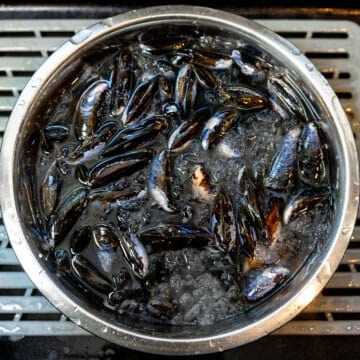
- How to store clams and mussels at home: As soon as you get home, remove them from plastic bags and store them uncovered in a bowl of ice in the refrigerator. If the ice melts, drain and refresh it until you’re ready to cook.
- Shrimp should look plump and fresh: Tails should be intact, flesh should be firm, and they should smell clean. If needed, be sure to devein shrimp before cooking.
- Fresh vs previously frozen fish: Previously frozen fish is often frozen at peak freshness is a great option. What you want to avoid is repeated thawing and refreezing, which causes fish to lose moisture, and affect its texture.
Hosting and Make-Ahead Tips
A little planning goes a long way with a seafood-focused menu.
- Prep the seafood ahead of time. Cleaning and soaking clams and mussels takes longer than cooking them. Here's how to clean clams to get all the sand out.
- Prep what you can ahead: Chilled seafood, sauces, and salad components can be prepped earlier in the day so you’re not juggling everything at once.
- Save the showstopper for last: Cook your main dish closer to serving time so it arrives hot and at its best.
- Let guests help: If you’re hosting a larger group, invite guests to bring an appetizer or side.
Wine Pairings
These options work beautifully across multiple dishes.
- Sparkling Wine: A dry Prosecco, Cava, or Champagne is festive and pairs well with everything from shellfish to pasta.
- Crisp White Wines: Look for wines with good acidity, such as:
- Pinot Grigio
- Vermentino
- Sauvignon Blanc
- Light-Bodied Reds (Optional): If your menu includes tomato-based seafood dishes, a light red like Pinot Noir or a chilled Italian red can work nicely.
In the Kitchen with Dinah says
Thank you Chef Samantha. We are a mixed family and celebrate The Feast of The Seven Fishes" as well as a few others. This was the most popular this year. The Lobster Thermidor and the Tuscan Shrimp did not stand a chance on the table, they were gone the frist round. Happy New Year.
Samantha Ferraro says
You are so welcome Dinah, Happy Holidays and have a great New Year.